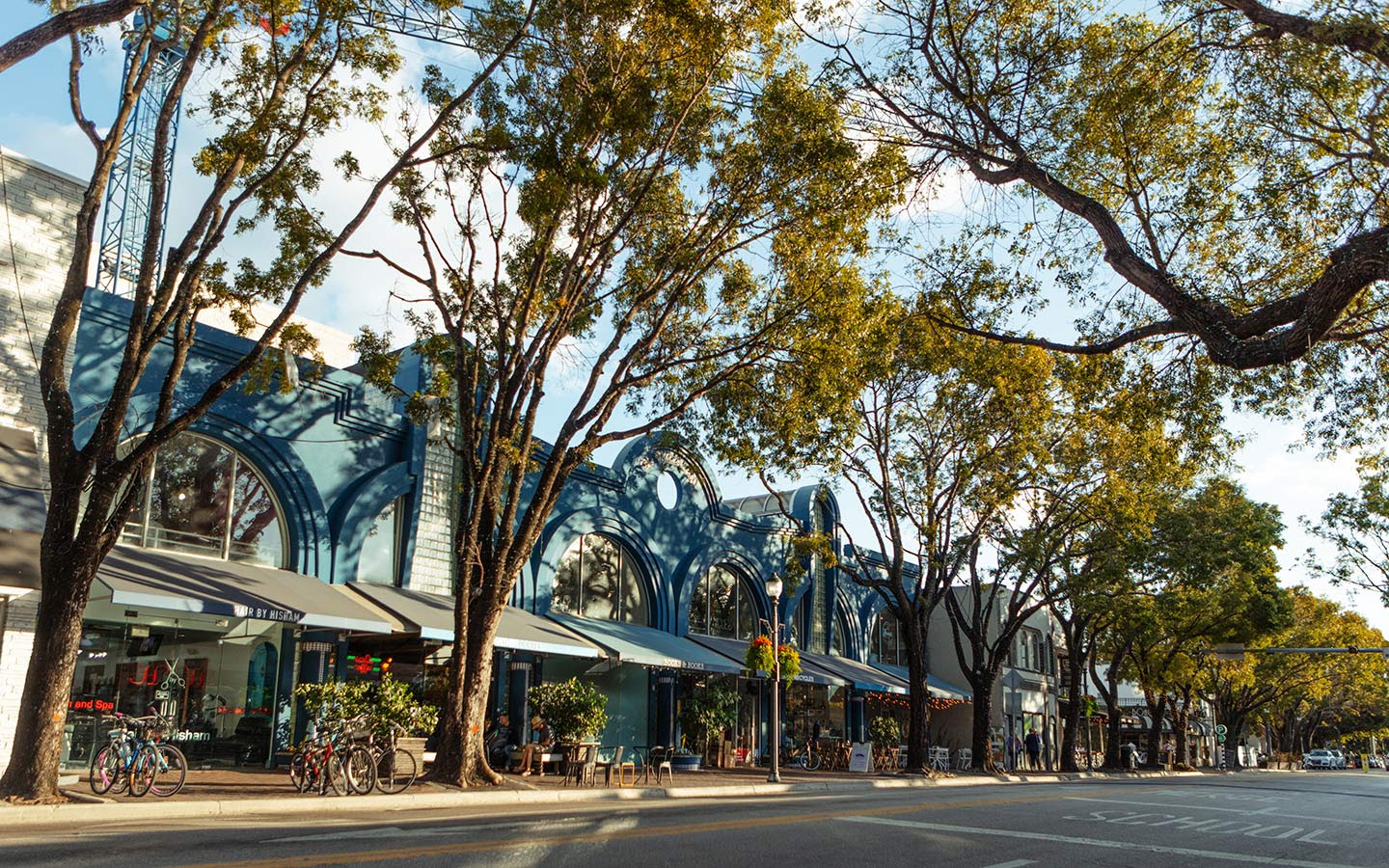
As a real estate advisor and investor navigating the South Florida landscape for over 14 years, I’ve watched neighborhoods transform, peak, and reinvent themselves. While I’m often analyzing the high-rise velocity of Brickell or the corporate migration into Wynwood, Coconut Grove (or simply "The Grove") remains one of the most nuanced sub-markets in my portfolio.
In 2026, the Grove isn't just a neighborhood; it’s a "supply-constrained" micro-economy. Because of my background in accounting and auditing, I tend to look past the lush banyans and into the fiscal health and long-term equity of the area.
If you are considering a move to the "Canopy," here are the five questions I’m answering most frequently in my current strategy sessions.
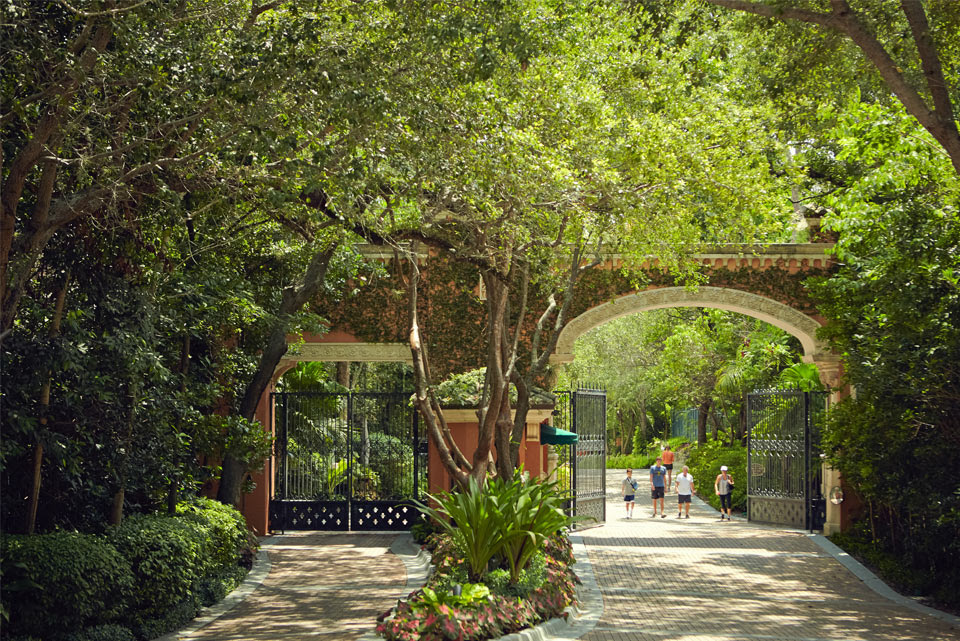
1. Is the "Walkability" Real or Just Marketing?
In a city as car-dependent as Miami, "walkable" is often used loosely. However, in Center Grove, it is a functional reality.
The 15-Minute Lifestyle: You can truly grab your morning brew at Panther Coffee, walk the dogs through Peacock Park, and meet clients for dinner at CocoWalk without touching your car keys.
Expert Insight: From an investment standpoint, "walkability scores" in the Grove directly correlate with higher price-per-square-foot resilience during market shifts.
2. How Does it Compare to Coral Gables?
I field this question at almost every showing. I categorize it as "The Canopy vs. The Plazas."
Coral Gables: Structured, manicured, and Mediterranean. It’s governed by a grid and formal boulevards.
Coconut Grove: Organic, artistic, and lush. It’s for the buyer who prefers a winding, shaded trail over a straight street and the sails of the bay over the greens of a golf course.
The Auditor’s View: The Grove’s lack of a rigid grid actually limits future development, creating a "moat" around property values that is harder to find in more expansive suburbs.
3. Are the Schools Truly That Accessible?
This is the #1 driver for the families I represent. The Grove is home to some of the most prestigious private institutions in the country, including Ransom Everglades and Carrollton School of the Sacred Heart.
The "Golf Cart" Luxury: In 2026, the ultimate Miami luxury isn't a faster car—it's a shorter commute. Being able to handle the "school run" in a five-minute golf cart ride is a quality-of-life dividend that Grove parents swear by.
4. Is it a Sound Investment for Rental Income?
The Grove favors long-term community over "transactional churn."
Supply vs. Demand: Tucked between Biscayne Bay and the Gables, there is simply no more land. While the broader Miami market has stabilized this year, the Grove remains incredibly resilient due to low inventory.
Strategy: If you are looking for high-turnover short-term rentals, this isn't your spot. But if you want a high-equity asset with a sophisticated, long-term tenant profile, the North and Center Grove are top-tier choices.
5. What is the "Hidden Gem" Only Locals Know?
Everyone knows the marinas, but the true heartbeat of the neighborhood is the Saturday Farmers Market on Grand Avenue. It’s where the "Bohemian Soul" of the Grove lives—a mix of raw vegans, local artists, and families who have been here for generations. To understand the culture you're buying into, spend a Saturday morning there.
Final Thoughts from Luz
Whether you’re looking for a legacy estate or a modern townhome, the Grove requires a tailored strategy. Having closed significant transactions in Miami’s most iconic residences, I can tell you that the Grove offers a "soul" that is hard to replicate elsewhere.
Thinking about making the move to the Canopy? Whether you are in South Florida or looking to relocate from North Carolina, let’s schedule a "local’s tour" of my favorite hidden streets.
Contact Me for a Private Consultation at 305-720-4977.